Score your landing page against 622 pages that survived six months of ad spend.
Meta leads cost $27.66 on average (WordStream, 2025). Your landing page decides how many of those clicks you keep — so we score yours on the same 8 factors as every page in the library, and show you where you trail.
Free, no signup, about 30 seconds. You keep the score whether or not you buy anything.
Free score, no signup. There's an optional $49 upgrade — you'll see everything it contains before you decide. (+ VAT where applicable)
Tracking 2,747 live ads from 172 brands622 landing pages behind them, scored on the same 8 factors

Beats 60% of the 622 proven funnels we track.
- Trust signals9/10
- Social proof9/10
- Offer clarity9/10
- Mobile experience4/10
- Page speed5/10
- Headline5/10
A real report, not a mockup: Elavate's own page, the funnel behind an ad that has run 553 days. Yours comes back in the same shape.
What we score
- Offer clarity
- Headline
- Social proof
- Call to action
- Message match
- Mobile experience
- Page speed
- Trust signals





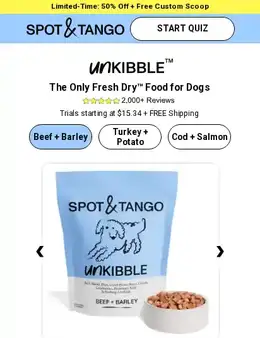




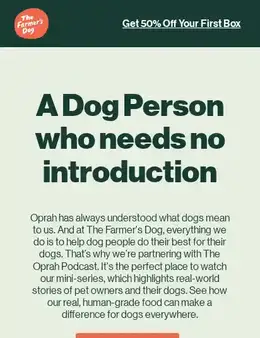


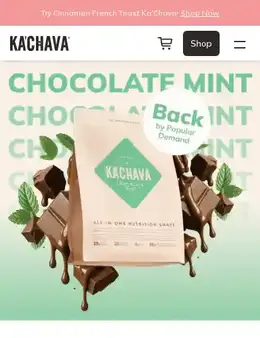




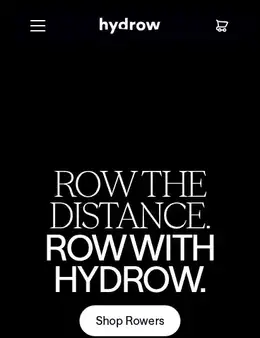

622 landing pages, captured and scored on the same 8 factors. Every one of them sits behind a Facebook ad that has run for months.
Nobody ships a bad landing page on purpose.
You wrote it. You've read it forty times. You can no longer see it the way a first-time visitor does — and that visitor decides in about five seconds whether to stay.
A CRO consultant will tell you what's wrong, for a four-figure retainer. Most free tools hand you a number and a list of best practices somebody made up.
Three ways a page burns ad spend
The ad and the page tell different stories
Your ad promises a specific thing. The page opens on something broader. The click is already paid for by the time the visitor notices, and message match is one of the 8 factors we score.
The offer is not obvious in five seconds
A visitor who cannot tell what you sell and why it matters — within a glance — leaves. Not because the offer is bad, but because it was never in the first screen.
Nothing on the page removes the risk
No reviews near the button, no guarantee, no proof anyone else bought. The visitor is interested and still does not act, and nothing on the page tells you that is what happened.
The audit finds these before you spend another month funding them.
From a winning ad to what you can steal
Three steps. No guesswork.
Find winning ads in your niche
We pull live ads from the Meta Ad Library and rank them by how long each has stayed running, the clearest proven-winner signal.
See the funnel behind each
For every winner we follow the link, screenshot the landing page, and read the offer, the part ad-spy tools leave out.
Steal what works and apply it
Each funnel gets a score and the exact best practices behind it, so you can apply what already works to your own page.
- Strong social proof
- Message-match to the ad
- Fast mobile load
Best practices are opinions. A page that survived six months of ad spend is evidence.
We find the ads that have run longest in a niche, capture the landing page behind each one, and score all of them on the same 8 factors. That corpus is what your page is measured against, and it is the part nobody else has: ad-spy tools stop at the creative.
Ad-spy toolsThe ad only.
FunnelensThe ad and the funnel behind it.
You already paid for the click. The page decides whether you keep it.

- Trust signals that remove the risk
- Strong social proof up top
- One obvious, repeated call to action
The score is free. The instructions are $49.
The score is the X-ray — it shows where you're losing. The playbook is the treatment — the exact wording the winning pages in your niche run instead.
Free · Where you're losing
- What each of the 8 conversion factors found on your page, in plain language
- The single factor where you give up the most ground
- A funnel score out of 100 and your percentile against 622 scored funnels
- Page speed measured by Google PageSpeed, not estimated
- A shareable report and an embeddable score badge
$49 · What the winners do instead
- Every factor where you trail, ranked by how much ground you give up
- The highest-scoring pages in your niche, named, with their scores
- The exact wording those pages run: their headline, their offer, their button
- The stored analysis of each one on the factors you are losing
- Re-score the page free for 30 days, so you can check your own fix
Unlocks on your own report, so you see your gaps before you pay for the instructions.
Six of the eight factors are copy, offer and structure — edits you can ship this afternoon. Only mobile experience and page speed usually need a developer.
$49 is about what two Meta leads cost ($27.66 on average, WordStream, 2025).
$49 + VAT where applicable.
If the playbook doesn't show you at least three fixes worth making, email me and I'll refund it. You keep the report either way.
A model reads your page. It doesn't decide what good looks like.
That distinction is the whole method. Everything you are measured against is either captured from a real page, computed in code, or attributed to somebody who published the work.
The pages you are compared to are real
We screenshot and score 622 landing pages, each one sitting behind a Facebook ad that ran for months. Not a model's idea of a good page: pages somebody kept paying to send traffic to. Their scores are public.
Your score is arithmetic, not an opinion
Ask a model for a number out of 100 and it hands you round numbers: when we tried it, 44% of pages came back as exactly 72. So the total is computed from the 8 factor scores in code, and never requested. Your percentile is counted the same way.
Page speed is Google's number, not ours
Speed and the full-page capture both come from Google PageSpeed Insights, which loads your page for real and reports what happened. We do not estimate it.
Why each factor matters comes from named work
Caples, Schwartz, Miller, Hormozi, Kahneman, Sugarman and Whitman, cited by name. Five of the 8 factors carry a measured figure from published case work. On the other three we give you the principle and say outright that we have no number worth standing behind.
So what does the model actually do? It looks at the capture of your page and scores each of the 8 factors, the way a reviewer would. It is never asked what the benchmark should be, never asked for the total, and never asked for a number it cannot see on the page.
Where every number comes from · How the 8 factors are scored
Worth your $49 if
- You already send traffic to the page and want to know what to fix first.
- You write your own pages and have nobody to tear one apart for you.
- You want a second opinion without booking a call or signing a retainer.
Not worth it if
- You have no traffic yet. Optimising a page nobody visits is the wrong problem to solve first.
- You want a visual redesign. This scores copy, offer and structure, and hands back edits, not a new layout.
- Your page sits behind a login or a password. We can only read a public URL.
No traffic yet? Start with the library — see how the pages that already have it are built. →
The things people ask before they run one
Is this just generic AI advice?
No. Every gap in your report is a distance measured against specific landing pages we captured and scored, and the report names those pages and their scores. What each factor costs you is attributed to the person who established it, not invented on the spot. The one thing we write ourselves is a headline we would test on your page, and it is labelled as our proposal rather than as something anyone runs.
How long does it take, and do I need an account?
About 30 seconds, and no. You paste a URL, we load the page through Google PageSpeed, capture the whole page and score it on all 8 factors. Nothing to install, no signup, and you keep the score whether or not you buy anything.
Do I have to give you access to my site?
No. A public URL is all we take. No login, no plugin, no tag on your page, nothing from your ad account. If the page sits behind a password we cannot reach it, and the audit says so rather than guessing.
Will I need a developer to act on this?
Mostly not. Six of the 8 factors are copy, offer and structure: what the headline says, what the offer promises, where the button is, what proof you show, whether the page matches the ad that sent the click, and whether it looks trustworthy. Those are edits. Mobile experience and page speed are the two that usually need someone technical.
What if my niche is not one of the ones you track?
You still get the free score and the analysis of all 8 factors, because that part works on any page. The paid playbook compares you to the highest-scoring funnels we hold, and it is only offered when we have enough of them to be honest about the comparison. When we do not, it is not shown and you are never asked to pay. The niches we cover today are beauty, supplements, pet, fitness, home, food & beverage, apparel, jewelry, baby & kids and outdoor & travel.
Can I get my money back?
If the playbook doesn't show you at least three fixes worth making, email me and I'll refund it. You keep the report either way. Payments and refunds run through Paddle, our Merchant of Record, who also handles any VAT or sales tax at checkout.
What happens to my report?
It lives at its own link, so you can share it, print it, or come back to it later. Anyone holding that link can open it. We keep those pages out of search engines, but treat the link as public and do not audit a page you would rather nobody saw. We do not need your email address to run one.
Still deciding? Read the refund policy, or see the pages we score you against.
Find out what your page is missing.
One URL, about 30 seconds, no signup. If the score comes back strong, you have lost nothing.
Free, no signup, about 30 seconds. You keep the score whether or not you buy anything.